Polaris
The North Star
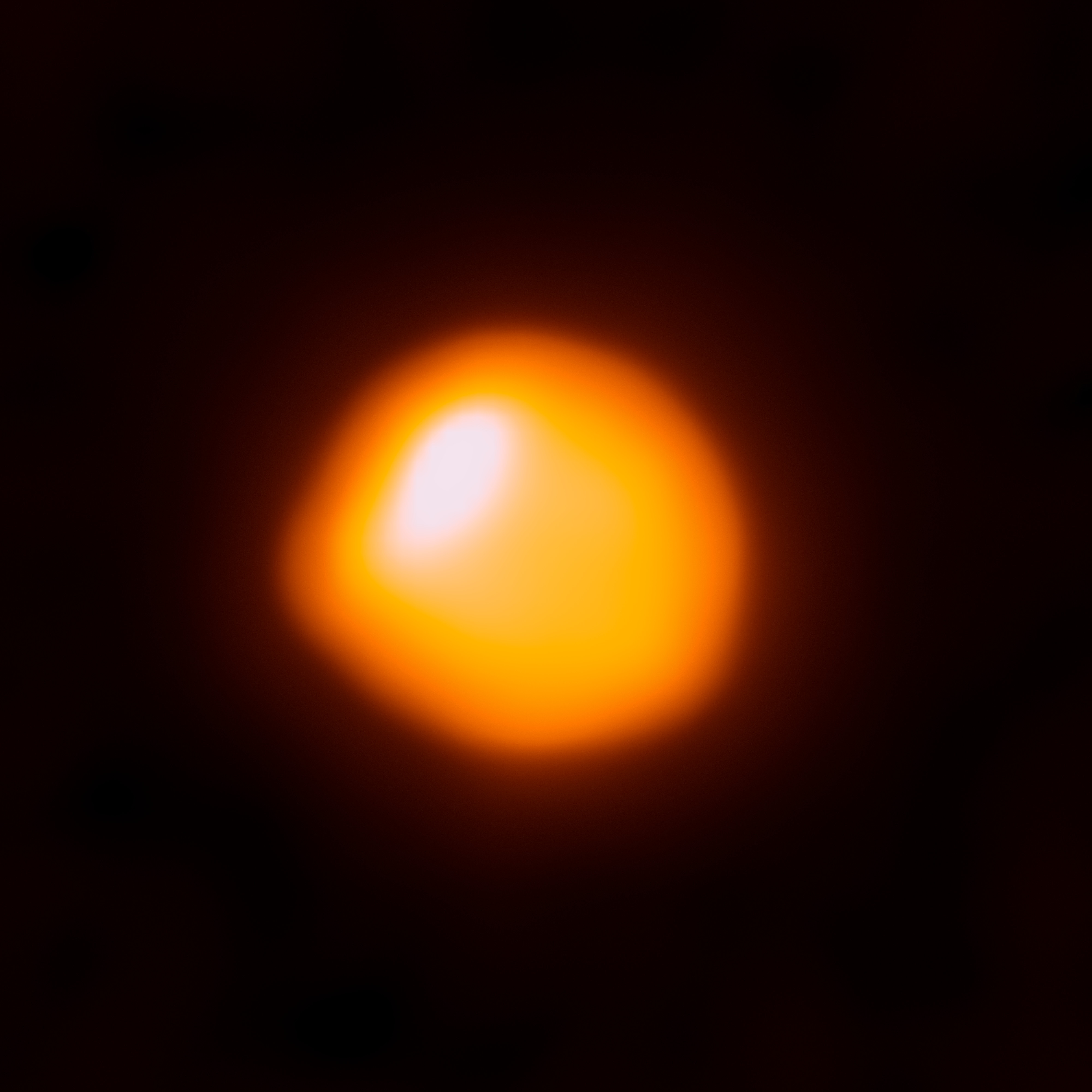
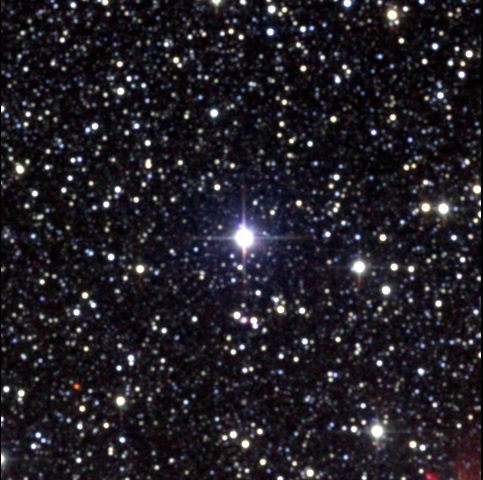
Polaris sits almost directly above Earth's north rotational axis, making it appear stationary while the sky wheels around it. It's actually a triple-star system dominated by a pulsating yellow supergiant.
Image: NASA / Hubble
Vital statistics
Type
Yellow Supergiant + 2 companions
Distance
~433 light-years
Mass vs Sun
5.4×
Luminosity vs Sun
~1,260×
Variable period
3.97 days
Did you know
Has been used for navigation for over 1,500 years.
Fact 01
Won't be the pole star forever — Earth's axis wobbles.
Fact 02
Brightens and dims as it pulsates.
Fact 03
Deep dive
Classification
Classical Cepheid variable
Name origin
From the Greek 'polos' meaning axis or pivot.
Research & publications
Jump straight into peer-reviewed papers, preprints and authoritative references for Polaris.
arXiv (preprints)
Open-access preprints in physics & astrophysics.
NASA ADS
The definitive bibliographic database for astronomy.
Google Scholar
Cross-publisher academic search.
Nature
Peer-reviewed articles in Nature & sister journals.
Wikipedia
Encyclopedic overview & onward references.
Tip: ask the Research AI for a curated reading list → /research